
Must-Read Books for Adulting
As an Amazon Associate I earn from qualifying purchases. For more details, please see our disclosure policy.
Some things you learn by doing, some things you’re blessed with parents to teach you. If you’re me, you learn by reading, then doing, then making your kids read the book!
Want to save this post?
Enter your email below and get it sent straight to your inbox. Plus, I’ll send you time- and money-saving tips every week!
I don’t know about you, but there’s a lot about adulthood that I was not prepared for. I’d had an excellent public school education, had lived abroad for a year before I’d turned 21, had a master’s degree and a teaching credential — and still there was so much I did not know before my first child was born shortly after my 25th birthday.
The next 12 years were very much a blur of having babies, moving cross-country twice, miscarrying three times, and figuring out how to pay bills, pay off debts, and manage my time.
Yes, life experience filled in some of the gaps and I continue to learn more about adulting, even at the ripe old age of 52! But, reading has made a huge impact on my adult life.
Since I have had the privilege of being my kids’ main teacher for the bulk of their lives, I’ve thought long and hard about how to make things easier for them. I absolutely know that they will make their own mistakes and learn more on their own, but I’m hoping that they’ll be able to start adult life closer to my present than my 25yo past.
Read: I’d like them to know more of what I didn’t know.
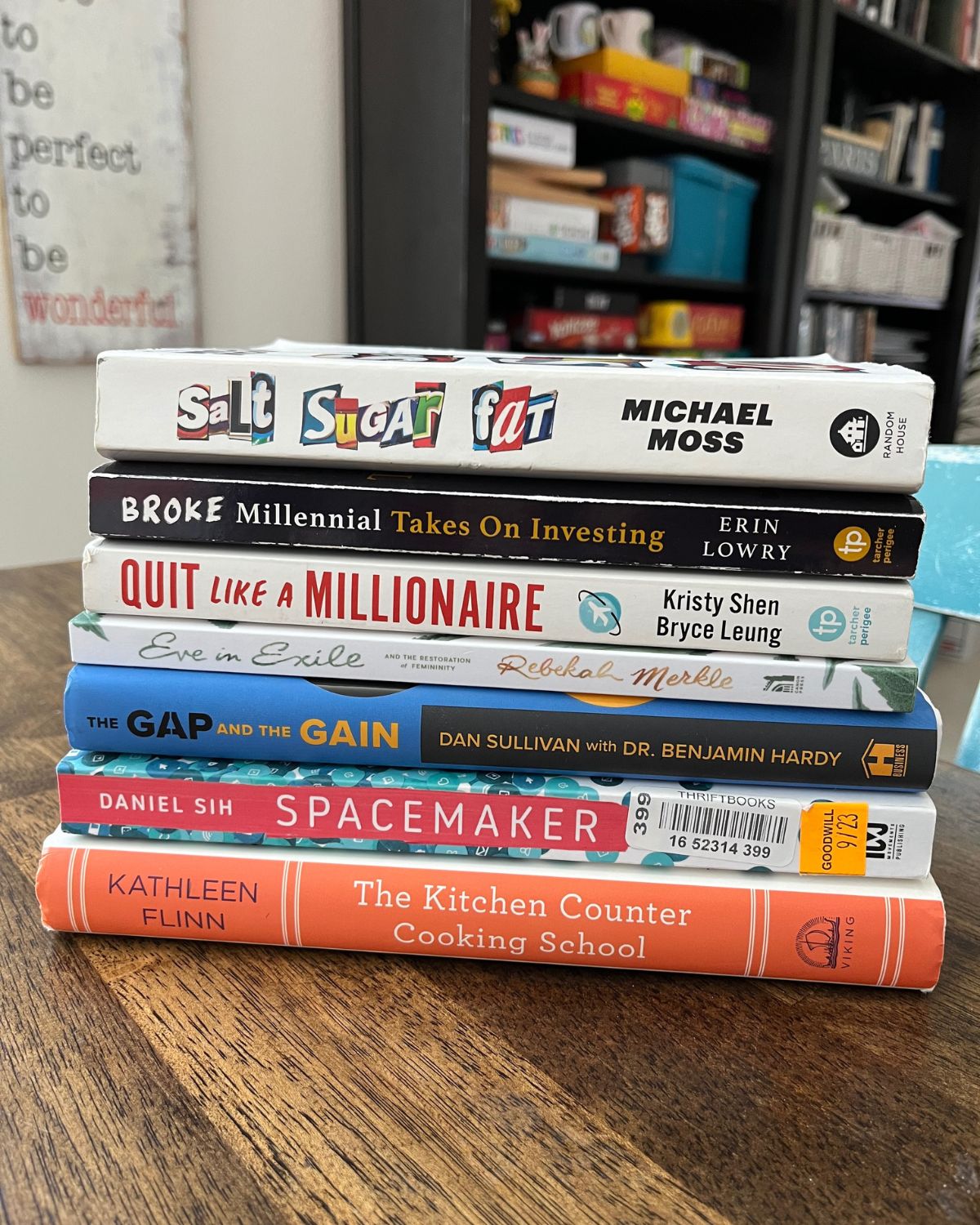
As I said, along the way I’ve discovered great books that teach those things I didn’t know: like how to manage money and invest, how to have a growth mindset, how to develop good habits, how to cook economically, how not to get conned by Big Food, and more.
I’ve rounded up what I consider “must-read books for adulting”. These are the books that I require my kids to read before they graduate high school, books that now sit on a certain high school senior’s desk. Ahem. She will be finishing them prior to matriculating at the local university.
I learned a lot about how to be an adult from these books and hope my kids will, too.

Caveats about my list
This list is not exhaustive and these books don’t cover all the topics a person needs for adulthood. Additionally, only two are written from a Christian worldview. Why does that matter?
I came across the following quote in the intro of a book I have not yet read, but it jumped out at me as so true.
…nothing we read or watch or listen to is ideologically neutral—it’s all subtly (or not so subtly) telling us how to think and how to act. Everything comes with its own implicit messages about what’s good, what’s bad and what’s important in life in general.
So if we’re not proactive about thinking Christianly about a subject, then we’ll just end up having our thinking shaped by what the world tells us. And while that’s rarely going to be all wrong, it’s not going to be all right, either. For Christians, it’s Scripture which is meant to define the good, the bad and the important. We need to learn to think critically about culture—to get equipped to sift truth from error, to identify wisdom amid the folly, and to have all our thinking shaped by God’s word.
Rachel Jones, A Brief Theology of Periods
The Bible does talk about money, investing, and mindset — just not in as straightforward terms as the books I’ve added to my list. So, dear reader, especially my dear believer reader, take the messages of these books all with a grain of salt and compare them to what you know to be true from Scripture.
Here are books I think bring value and important information to be an adult today…
Salt Sugar Fat
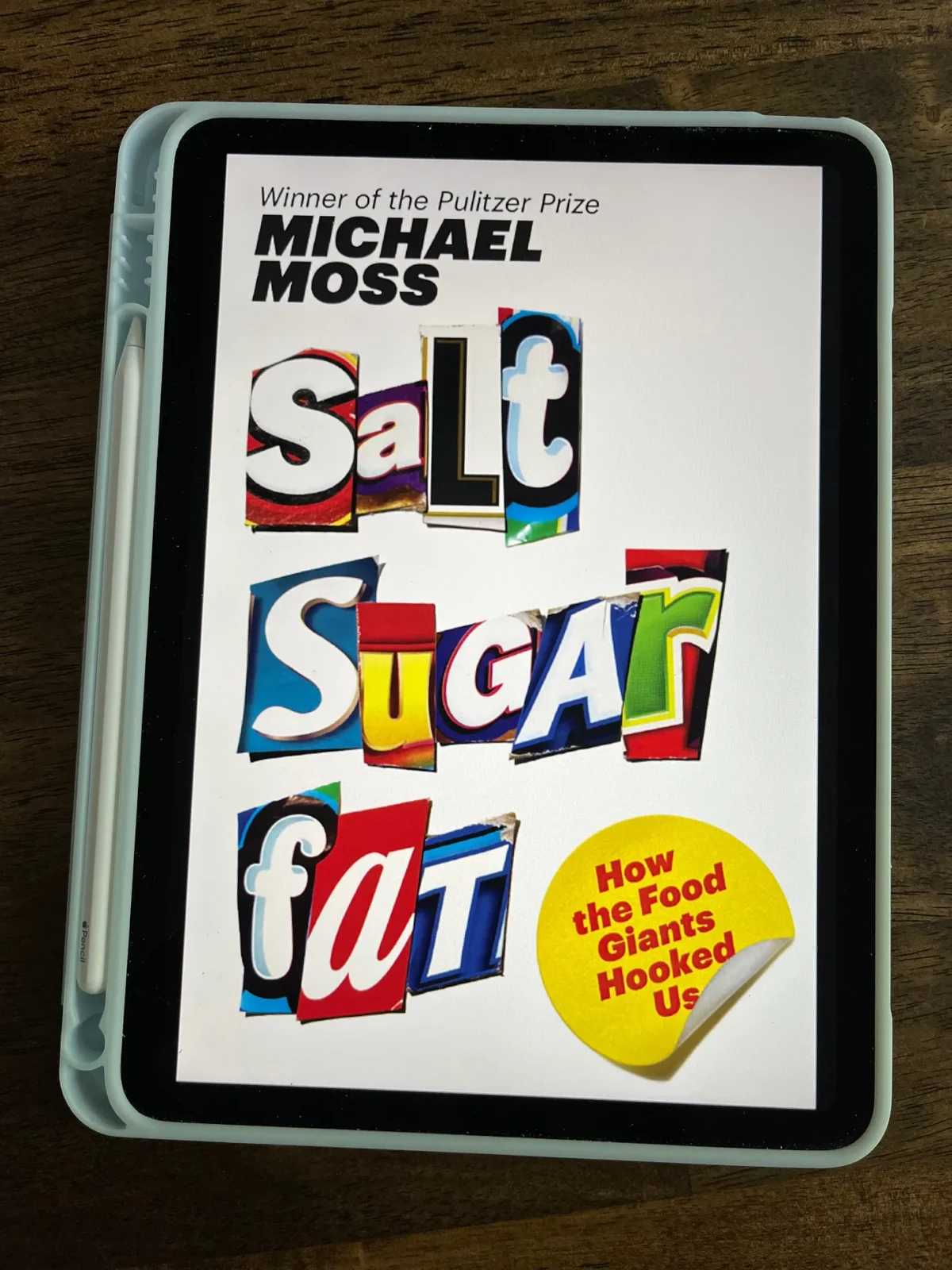
Released in 2013, I read Salt, Sugar, Fat by Michael Moss a year later. It took me three months to get through the book. There was so much meat to chew on, but it was well worth it. It’s a look at “how the food giants hooked us” on processed foods and I learned a ton.
On more than one occasion, I cried while reading. The attitudes that marketers and food manufacturers had/have toward women, particularly mothers, are insulting on multiple levels.
Women were/are seen as chumps. Once the brand gets their support, the battle has been won. They prey on her desire to feed her family quickly and economically when she’s desperate to get to bedtime with all her marbles intact.
If they can get to Johnny, they can get to Johnny’s Mommy….
Obviously, I’m generalizing a bit; not every food manufacturer is a cad, but the case was made really well that the food giants believe women can be easily duped. The thought kept running through my mind, “Ladies, we’ve been played.”
So much of the book is a deep dive into the history of Big Food and is just truly fascinating. Obviously, it’s now an “old” book, but I’m pretty sure that the food industry hasn’t reformed itself. If anything, it’s probably gotten worse. So, the info here is still applicable.
The Kitchen Counter Cooking School
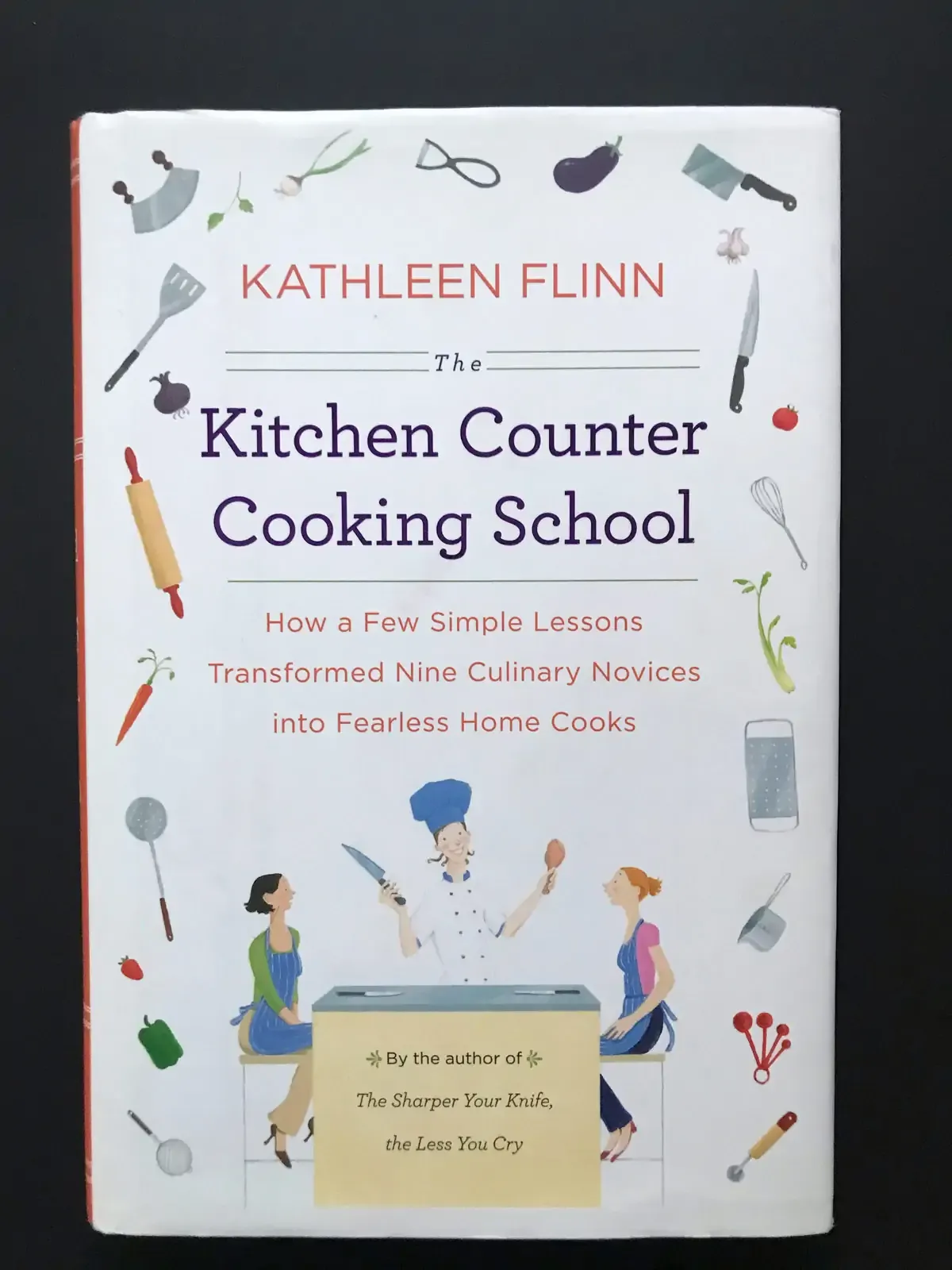
A longtime favorite of mine, The Kitchen Counter Cooking School by Kat Flinn is required reading in our homeschool (save one R-rated chapter that I paperclip closed).
It tells the story of a reporter-turned-chef-turned-kitchen coach who takes a group of “culinary novices” and turns them into “fearless home cooks”. She recounts the tale of how she teaches them the ways of the kitchen, such as how to use what you have and create a great meal on the fly.
Emphasizing both money-savings and food-waste issues (the two really do go hand in hand), Flinn adapts professional kitchen strategies for the home cook with humor and patience, ensuring that the reader learns some new kitchen skills as well as gains confidence in the kitchen.
It’s a book that I regularly reread to keep my chops sharp and one that does a fantastic job in helping you learn key strategies to shop, plan, and cook enjoyable, affordable meals.
Broke Millennial Takes on Investing
We paid off our last consumer debt in 2009 to the tune of $18k. Five years later we paid off $42k in negative equity when we sold the rental property we were upside down on.
Then we coasted. Neither Bryan and I knew much about investing, and we’d been burned so badly by a certain real estate investor/ “friend” in Kansas City that it was hard to know who to trust.
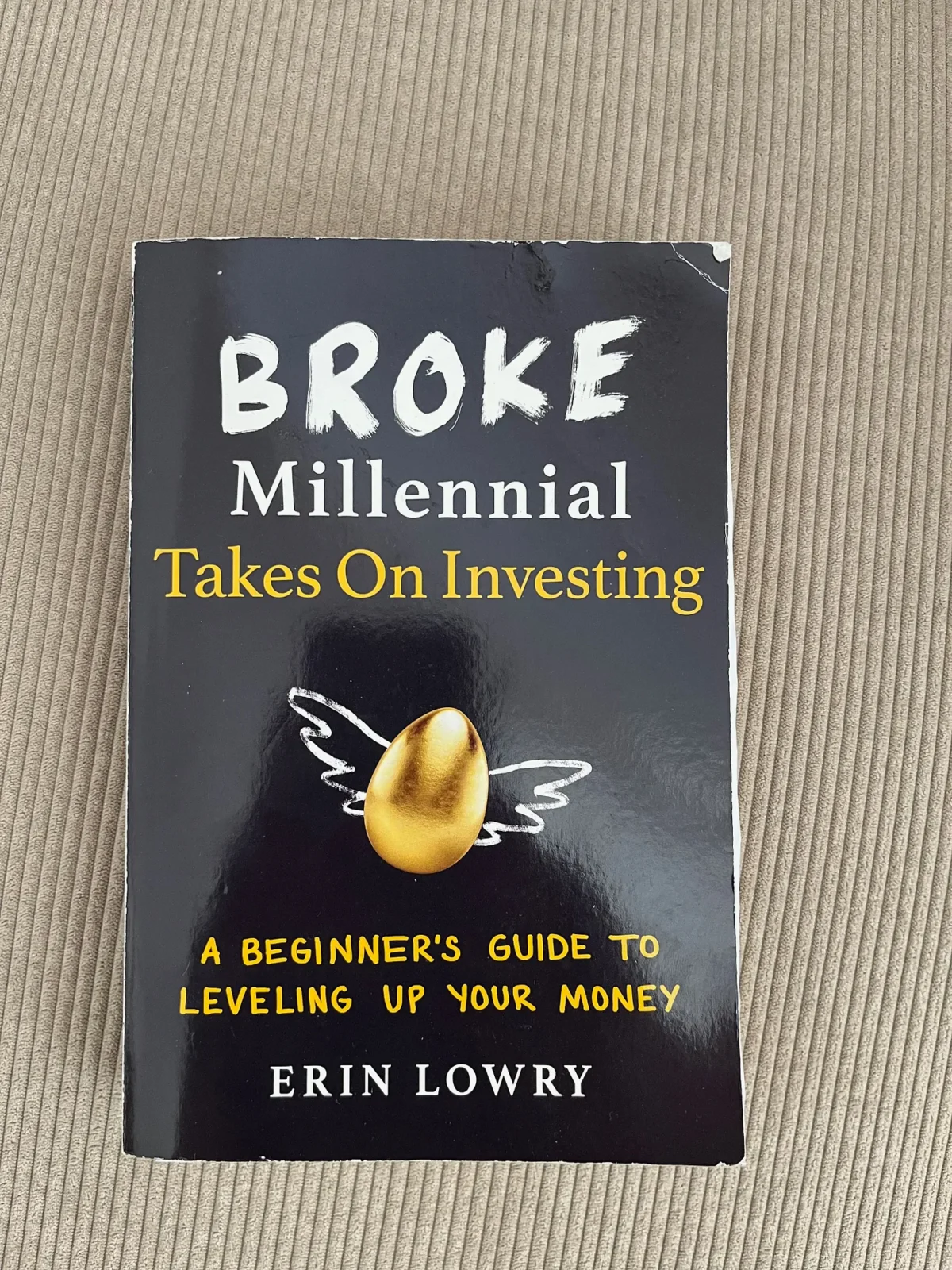
I discovered the Save My Cents account on Instagram and spent a good year or so learning. Along the way, I read this book by Erin Lowry.
While some things didn’t apply — I’m a diehard Gen X’er, for one, and my kids are mostly Gen Z – many things did. I found it to be a superb primer on investing and figuring out how to handle money like an adult.
Reading this book helped fill in lots of gaps I had about investing.
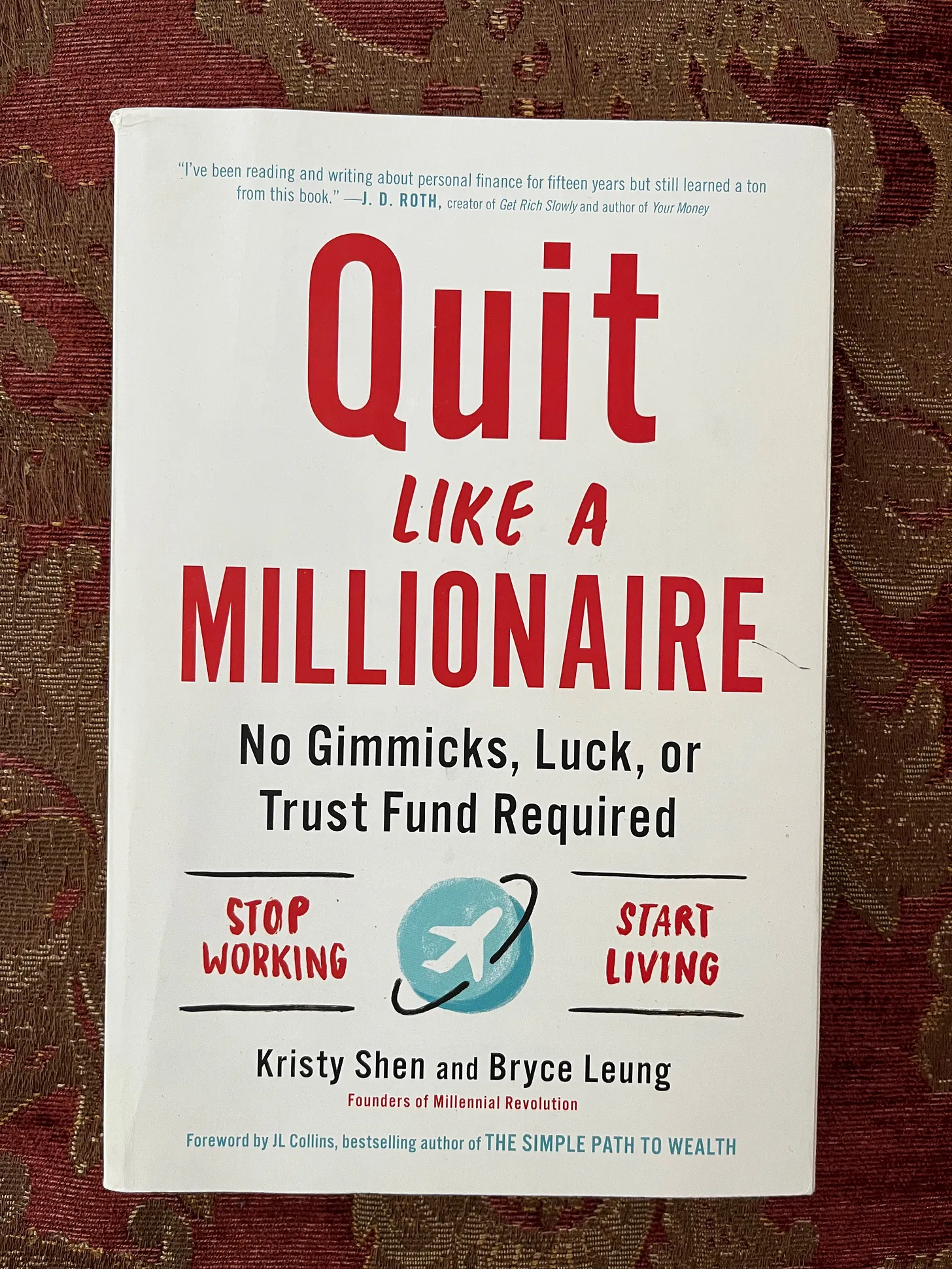
Quit Like a Millionaire
I am neither a millionaire nor approaching quitting time. If we could turn back the clock, Fish and I would do lots of things differently with our money, but since we can’t, I choose to teach my kids better.
That is the best I can do with my regret energy…. help change the future for someone else.
Quit Like a Millionaire by Kristy Shen and Bryce Leung does a great job explaining the math behind early retirement. It’s not about making a million dollars or even saving a million dollars, but about saving early and wisely.
While we won’t be retiring early, this book helped dispel a lot of the myths I’d heard about retirement as well as gave me tools to help counsel my kids as they enter the workforce. The last government stimulus check we got was divvied up between the kids for their retirement accounts.
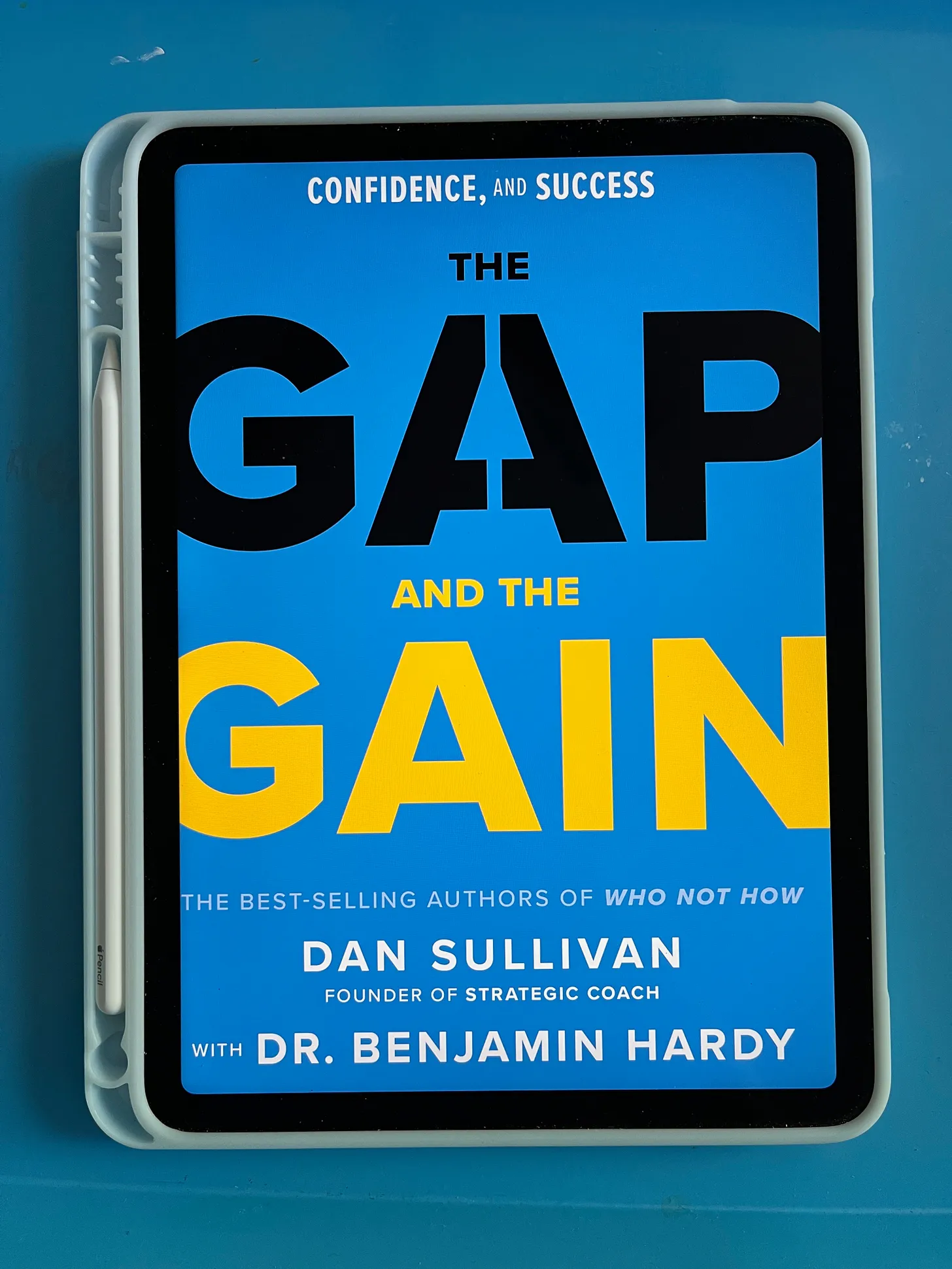
The Gap and the Gain
I discovered this gem two summers ago after reading the authors’ previous book, Who Not How. Benjamin Hardy and Dan Sullivan regularly write for entrepreneurs, but The Gap and the Gain is so much more than a business book.
It’s much about developing a growth mindset, something that Huberman Lab explained super succinctly in this podcast.
The Gap and the Gain walks you through varied scenarios of wins and losses and how to turn those losses into wins. It presents a great strategy for measuring success and progress that is fully in-tune with a growth mindset, something I didn’t learn as a child, but definitely want to practice until the end of my days.
Atomic Habits
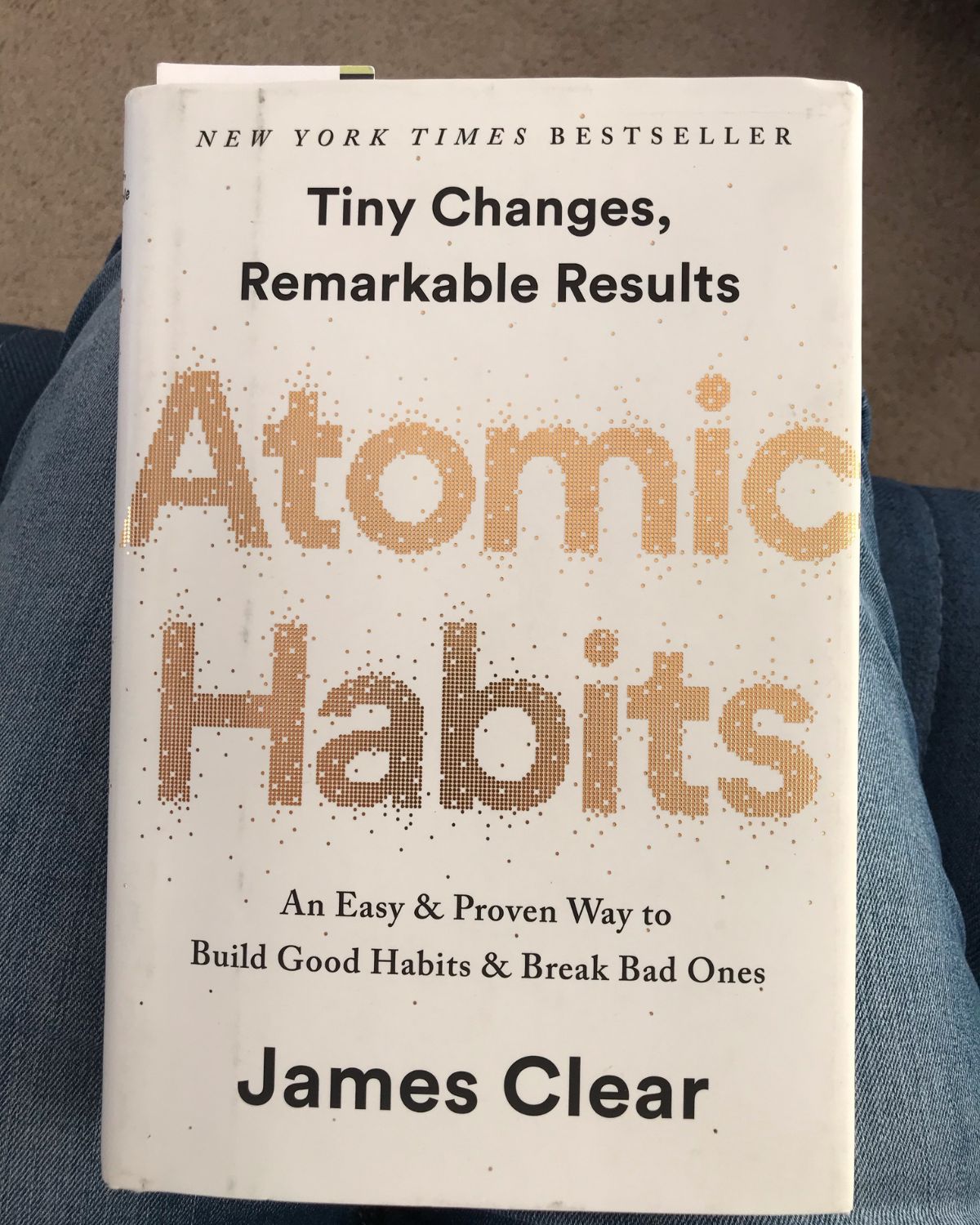
According to Amazon, I’ve purchased three copies of Atomic Habits. Ha! I love this book so much and have given away several copies since I first read a library copy in 2019.
While author James Clear gets loads of credit for the wisdom in this modern-day classic, much of the information is actually a compilation of dozens of brilliant authors. Clear researched many productivity concepts and read a ton of books and repackaged it in an albeit brilliant way.
The book is super easy to read. In fact, I read it aloud to my younger kids when they were 12, 13, 15, and 17. It’s an ideal book for teens to read and great for boosting one’s motivation to manage time well and get stuff accomplished.
My 20yo son often gives this book as gifts to friends!
Spacemaker

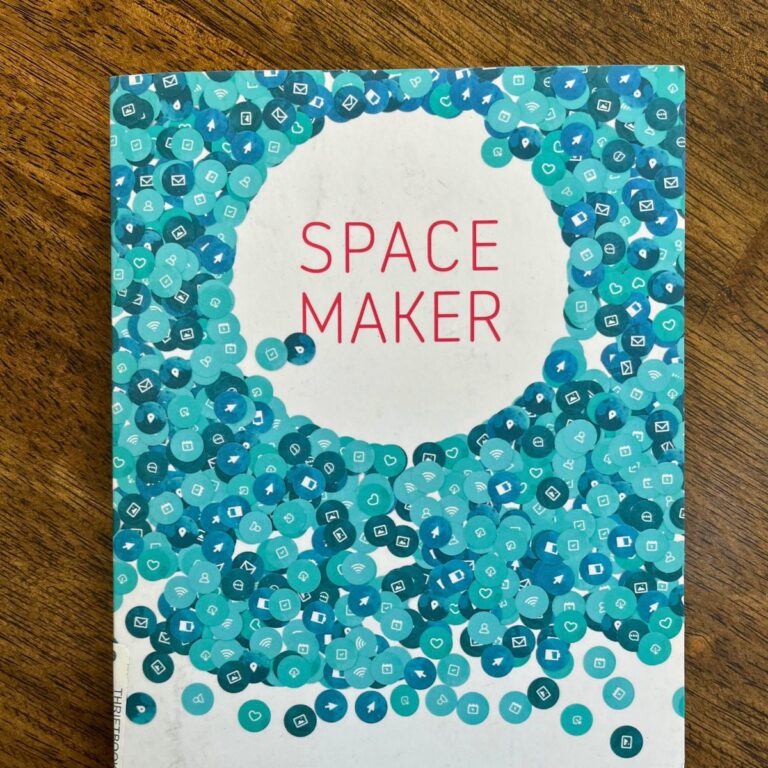
Spacemaker: How to Unplug, Unwind, and Think Clearly in the Digital Age by Daniel Sir is a relatively new addition to my list. Written by pastor-turned-physical-therapist-turned-productivity expert, Spacemaker is about unplugging, detoxing, and making sense of your thoughts and purpose.
I read this book in two days in January, prior to my Great Unplugging. It was so helpful in thinking through my relationship with the tech in my life as well as how to be intentional about rest.
But even more important than my digital life and my rest days, reading Spacemaker has led to all kinds of thinking about my life, my identity in my work, and what does life look like without that? They’ve been interesting questions to ponder this year.
Mr Sih is also a Christian. He weaves his faith into his writing in a very gentle way, without sounding preachy. His beliefs are clear. I like how he works this in in footnotes from time to time as well as in the main text. That said, I disagree on who the hero is in Elijah v. the prophets of Baal. The hero is God, of course! 😜
Eve in Exile

Another new addition to my list is Eve in Exile and the Restoration of Femininity by Rebekah Merkle. I found it to be an easy read, not able to put it down and reading it all within a 24-hour period, texting Bryan the mind-blowing highlights.
He has since listened to the audiobook and I bought a paper copy because my kids prefer to read book-books over Kindle.
There is so much to discuss in this book; even if you hate what the author says and vehemently disagree with her premise, there’s much food for thought.
Today I was scanning through the negative reviews on Amazon and was really taken aback. As I mentioned last week, I would recommend this to all Christian women. However, several Amazon reviewers would disagree with me.
It reminds me of what my masters mentor taught me in grad school: when you’re teaching literature — I was an English teacher, remember! — keep in mind that readers bring their experience to the book and that influences their interpretation of the text.
It’s definitely a big challenge to approach a topic such as this in a way that pleases everyone. Unfortunately, we live in a culture that doesn’t know how to behave when people disagree with each other. Even Christians. Or maybe especially Christians?
The ideas in this book challenge the mainstream ideas of a woman’s blessings and responsibilities — and I don’t think that’s a bad thing. Again, what does Scripture say and how do we apply it?
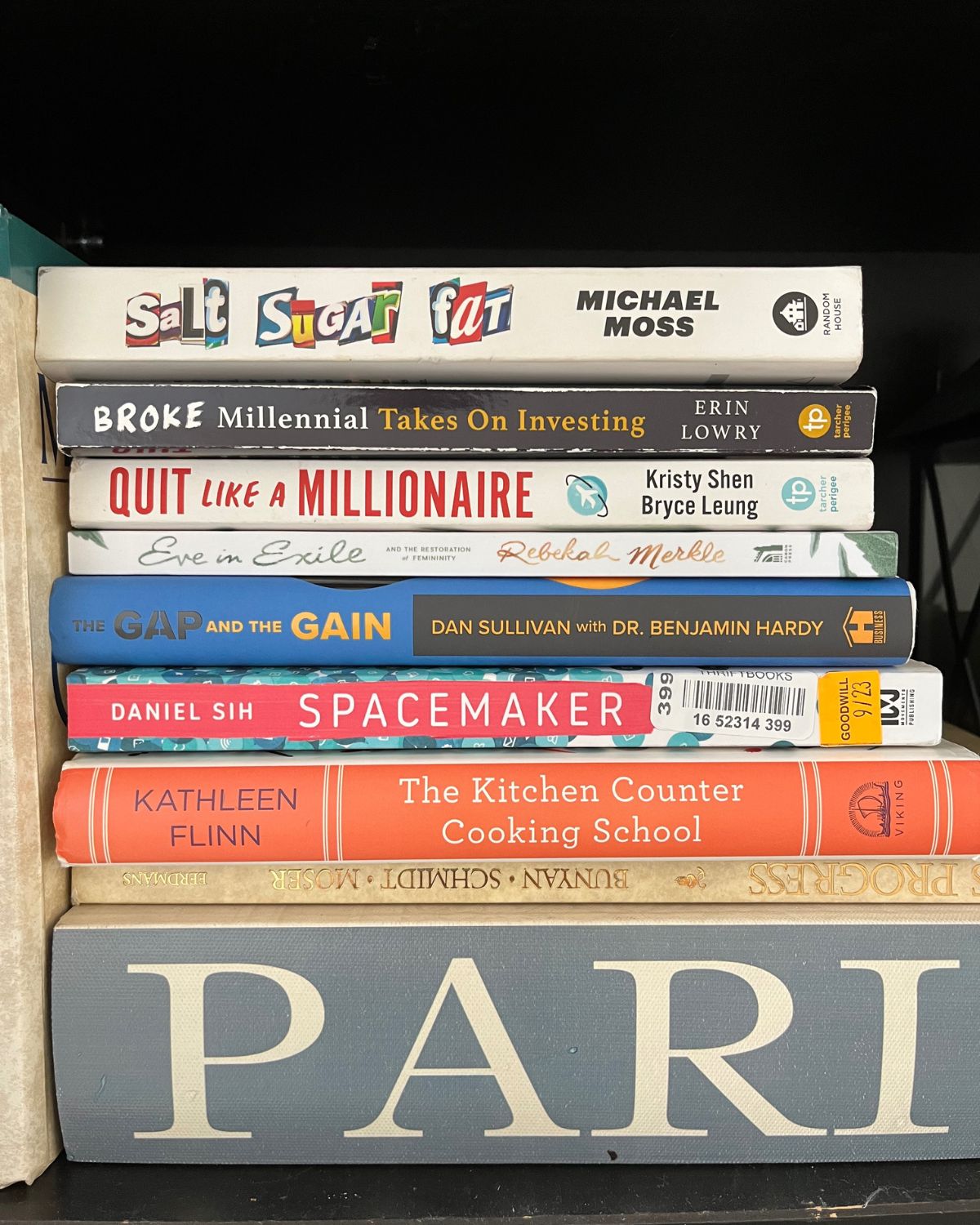
More Good Reads


What works for you?
Leave a comment below and let us know what works for you.


I’m trying to get started on my focus books for the month, if I can name them all from memory. Atomic Habits, Essentialism, Outer Order/Inner Calm, The Four Tendencies, The Happiness Project, Better Than Before, Happier at Home, Reading People. Not books I’m expecting my kids to read, but definitely ones I am excited about. I’ve read parts of some and am aiming to peruse each one at the very least. I have my notebook ready…
One that I’d like all my kids to read is from Apologia – Health and Nutrition is what I think it’s called. It’s a rather in depth look at many aspects of health.
That’s a lot of books to read this month. WOW! I’ve read Atomic Habits, Essentialism, The Four Tendencies, The Happiness Project, Better Than Before, and Happier at Home.
We have that Apologia book as well. The middle boys did it, but it wasn’t amazing for them. They had a better experience taking an EMR class at the community college.
Do you have a favorite – besides Atomic Habits – to recommend from the list?
Probably The Happiness Project. The others weren’t bad but not as striking. That said, her books are on the older end. I’m curious if they’ll read “dated”.
Thank you for this. We have one in college and one entering this Fall. I was just telling him about an IRA and what he should be doing. I am going to head to the library and give these books a read and pass them on to my big kids.
Can’t wait to hear what you think!